




.avif)
Figuring out what a brain injury case may be worth is not always clear at the beginning. The effects can take time to fully show up, and what seems manageable early on may change significantly weeks or months later.
That is what makes the question, what is my traumatic brain injury case worth, hard to answer right away.
What matters is how the injury has actually affected your ability to work, function, and move through daily life, both now and in the future. The care you need, how long symptoms last, and whether those problems continue all factor into how a case is evaluated.
Keep reading to understand how value is determined, what goes into it, and what can make one brain injury case very different from another.
To discuss your situation and get a clear evaluation of your traumatic brain injury case, call the Brain Injury Law Center at (757) 244-7000. Our attorneys exclusively handle traumatic brain injury cases and have represented clients nationwide for decades.
What Determines the Value of Your TBI Claim?
The value of a traumatic brain injury claim depends on how serious the brain injury is, how long recovery takes, whether the effects last, and whether you share any fault for what happened. These issues help show how much the injury has taken from you and how much compensation may be available.
The Severity of the Brain Injury
Severity affects value because not every brain injury leads to the same level of care, disruption, or long-term loss.
Someone hurt in a sports-related incident may suffer a mild concussion, go to urgent care, and recover with rest and follow-up care. Someone else may suffer a traumatic brain injury in a semi-truck collision or motorcycle crash, be taken to the emergency room, spend weeks in the ICU, and face months or years of rehabilitation.
Those are very different cases. The second injury usually requires more extensive treatment, more time away from work, and a greater impact on daily life. As the severity of the brain injury increases, the value of the claim often increases as well.
How Long It Takes to Recover
Recovery time also affects the value of a case. A brain injury that improves within a few weeks is not valued the same way as one that continues for months or longer.
The longer symptoms last, the more likely it is that the injury will affect work, daily responsibilities, and the need for continued care. That can mean more appointments, more time away from normal routines, and more uncertainty about whether full recovery will happen.
A short recovery and a long recovery do not carry the same weight. The length of time you are dealing with headaches, fatigue, concentration problems, memory issues, or other symptoms is part of what changes the value of a traumatic brain injury claim.
Any Long-Lasting Disability
Some brain injuries leave lasting problems even after the initial treatment period ends. That can include trouble with memory, slower thinking, fatigue, balance problems, mood changes, or difficulty handling tasks that used to feel routine.
When the effects of a TBI continue, the case is no longer about the accident alone. It is also about what the injury continues to take from you. Long-lasting disability can affect earning ability, independence, relationships, and quality of life.
This is one reason the answer to what is my TBI case worth can vary so widely. A case involving lingering cognitive or physical problems is not valued the same way as one where symptoms fully resolve.
Shared Fault
Shared fault can also affect value. If another person clearly caused the accident, that may support a stronger claim for the full extent of your losses. If you are found partly responsible, the amount you can recover may be reduced.
This issue comes up in many types of cases. A driver may argue that you were partly at fault in a crash. A property owner may claim you should have seen the hazard. Even when a brain injury is serious, shared fault can affect the final outcome.
That does not mean you do not have a case. It does mean the facts surrounding the accident still matter in how the claim is evaluated.
How TBI Settlements Are Calculated
There is no fixed formula for determining the value of a traumatic brain injury case, but there are specific categories used to calculate what may be included in a claim. These are based on what the injury has already cost you and what it is expected to cost in the future.
Medical Expenses
Medical care is often the largest part of a brain injury claim.
This can include emergency care, hospital stays, imaging, follow-up appointments, therapy, and any ongoing treatment. In more serious cases, care may continue for months or years and can involve specialists, rehabilitation programs, and long-term support.
Future medical needs are also considered. If the injury requires continued treatment, the expected costs are included in the claim.
Lost Wages and Earning Ability
If you missed work because of the injury, those lost wages are part of the claim.
In some cases, the effect goes beyond missed time. A brain injury may limit the type of work you can do, reduce your hours, or make it difficult to return to the same role. When that happens, the loss is not just temporary. It also affects future earning ability.
Pain and Suffering
Pain and suffering covers the effect the injury has on your daily life.
This can include ongoing headaches, difficulty concentrating, fatigue, memory problems, and the frustration that comes with those changes. It also includes how the injury affects your ability to enjoy activities, maintain relationships, and manage day-to-day responsibilities.
There is no set number for this part of the claim. It depends on how the injury has affected you over time.
Other Factors That May Be Included
Some cases involve additional losses that need to be accounted for.
This can include the need for help with daily tasks, changes in independence, or adjustments to living arrangements. In more serious situations, long-term support may be required.
All of these pieces are considered together when determining a case's value.
If you have questions about how much will my brain injury settlement be and want to understand what you may be entitled to, call The Brain Injury Law Center today at (757) 244-7000 or contact us online for a personalized case review.
Why the First Offer May Not Reflect What Your Case Is Worth
Early settlement offers are often made before the full extent of a brain injury is understood. Symptoms can continue to develop, and what looks manageable at first may become more serious over time.
Accepting an offer too early can limit what you can recover. Once a case is resolved, there is no opportunity to go back and ask for more if symptoms continue or new issues arise.
Insurance companies evaluate claims based on what is known at the time. That may not include future care, ongoing symptoms, or changes in your ability to work. Taking time to understand the full impact of the brain injury can make a difference in how the case is handled.
Examples of Our Brain Injury Case Results
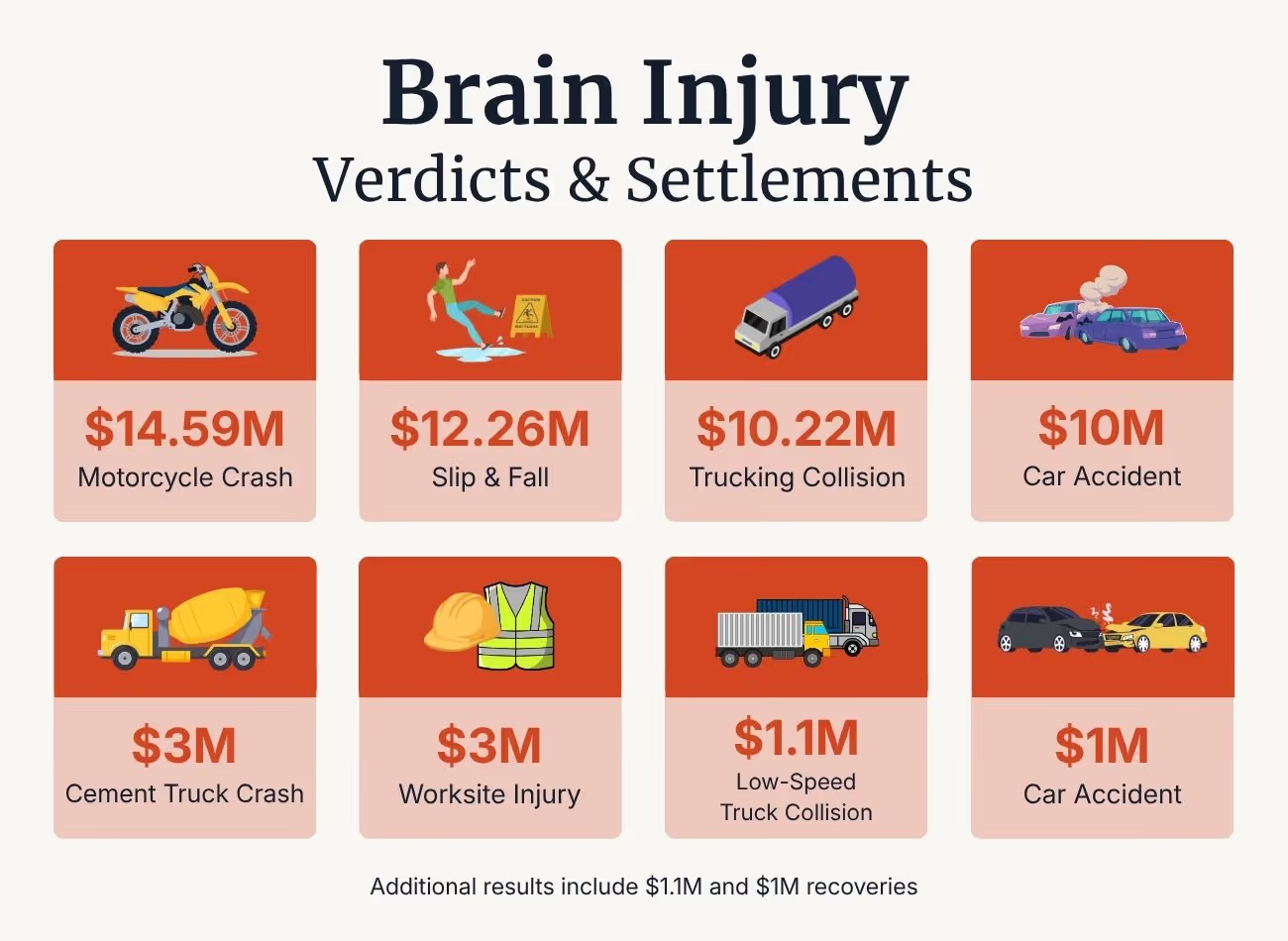
Research by Martindale-Nolo found that people who hire a lawyer typically receive 4.5 times more compensation than those who handle their claims on their own. This difference can be significant in a traumatic brain injury case.
The Brain Injury Law Center has obtained results such as:
How to Build a TBI Claim for Maximum Compensation
A brain injury lawsuit is stronger when there is consistent information showing how the injury has affected your day-to-day life over time. This is not always obvious from medical records alone, especially in the early stages.
What often makes the difference is how well the day-to-day effects are documented.
That can include:
- Seeking medical care and following treatment recommendations,
- Keeping track of symptoms and how they affect daily activities,
- Noting time missed from work or changes in performance, and
- Identifying problems with memory, focus, or fatigue that continue over time.
For example, a simple record of daily symptoms can help show how the injury affects routine activities:
- “Had trouble following a conversation at dinner. Lost track of what was being said.”
- “Forgot an appointment even after setting a reminder.”
- “Needed to lie down after 30 minutes of work due to fatigue.”
- “Headache worsened after being in a bright room for a short period of time.”
Entries like these show patterns that may not come across during a short medical visit. Over time, they help demonstrate how the injury affects concentration, memory, and energy levels in a consistent, ongoing way.
This type of information, along with medical care and professional evaluation, helps show the full extent of the injury and how it has changed daily life. That is what supports a claim for compensation that goes beyond the initial diagnosis.
Why You Need a Lawyer Who Knows Brain Injury Claims
Brain injury cases are different from other types of injury claims. Symptoms are not always visible, and the effects may change over time.
Working with a lawyer who focuses on brain injury cases can help ensure that the full scope of the injury is considered.
As Brain Injury Law Center Founding Attorney Stephen Smith explains:
“Before you hire a lawyer, make sure your lawyer is an experienced trial lawyer, and more importantly, a brain injury lawyer. You should ask your lawyer if they have won a brain injury case before and what their largest verdict is. A lawyer cannot obtain a large settlement on a traumatic brain injury case if they cannot take that case to trial. Insurance companies will never pay the right amount to those individuals represented by a lawyer who has not gone to trial.”
Speak with a Brain Injury Lawyer Today
If your brain injury was caused by someone else, you may be able to pursue compensation for the full extent of what you are dealing with now and going forward.
The Brain Injury Law Center focuses exclusively on brain injury cases and has represented clients nationwide for decades. Our attorneys have obtained significant verdicts and settlements in cases involving both mild and severe traumatic brain injuries.
Call (757) 244-7000 or contact us online to schedule a free, no-obligation case review.


