


Spinal Cord Injury Statistics
Fill out the form to connect with our legal team for a free consultation, we’ll respond within 1 hour during business hours. Or call us 24/7 at (757) 244-7000.






Table of Contents
Spinal cord injuries are devastating. They can cause paralysis. They can take away your ability to move, to feel, or even to breathe on your own. They steal independence in an instant and replace it with pain, uncertainty, and fear.
.png)
Recovery isn’t just about healing; it’s about learning to live in a completely new reality. Simple things, such as getting out of bed, going to work, or hugging your loved ones, may suddenly feel out of reach.
The spine injury statistics below show how widespread these injuries are and the physical, financial, and emotional toll they take. But numbers alone don’t tell the whole story. If you're reading this because someone you love is hurt, or because you are, we want you to know that the Brain Injury Law Center is here to help.
At the Brain Injury Law Center, we’ve walked this road with thousands of clients and families. We know that a spinal cord injury, like traumatic brain injuries, is more than a diagnosis. It’s a life-changing event that demands focused, experienced help.
Call us at (757) 244-7000 or fill out our secure online form today. Your consultation is free, and your fight is one we’re ready to take on with everything we’ve got.
“The attorneys and staff are great to work with. They care not only about a successful recovery, but ensuring their clients know what options are available for protecting the recovery long-term.”
- Andy H. | Client
Spinal Cord Injury Prevalence: How Many People Are Affected?
These spinal cord injury statistics show that many people face similar struggles, and there's a large community of survivors living with spinal cord injuries today.
- New Injuries Each Year: Approximately 18,482 new traumatic spinal cord injuries (tSCI) occur in the United States every year. This number focuses on new injuries and does not include those who tragically pass away at the scene of the incident.
- Living with SCI: Currently, an estimated 311,560 people are living with a traumatic spinal cord injury in the U.S, with a range of 261,168 to 399,079 persons.
Breaking Down SCI Statistics: Who Is at the Greatest Risk?
Spinal cord injuries can happen to anyone, but statistics show some patterns in who is most often affected.
- Age: The average age of someone who experiences a traumatic spinal cord injury has changed over the years. In the 1970s, it was around 29 years old. Today, the average age at injury is 44 years old. This increase suggests that falls, which tend to affect older adults more, are becoming a more common cause.
- Gender: About 78% of new traumatic spinal cord injury cases since 2015 are male.
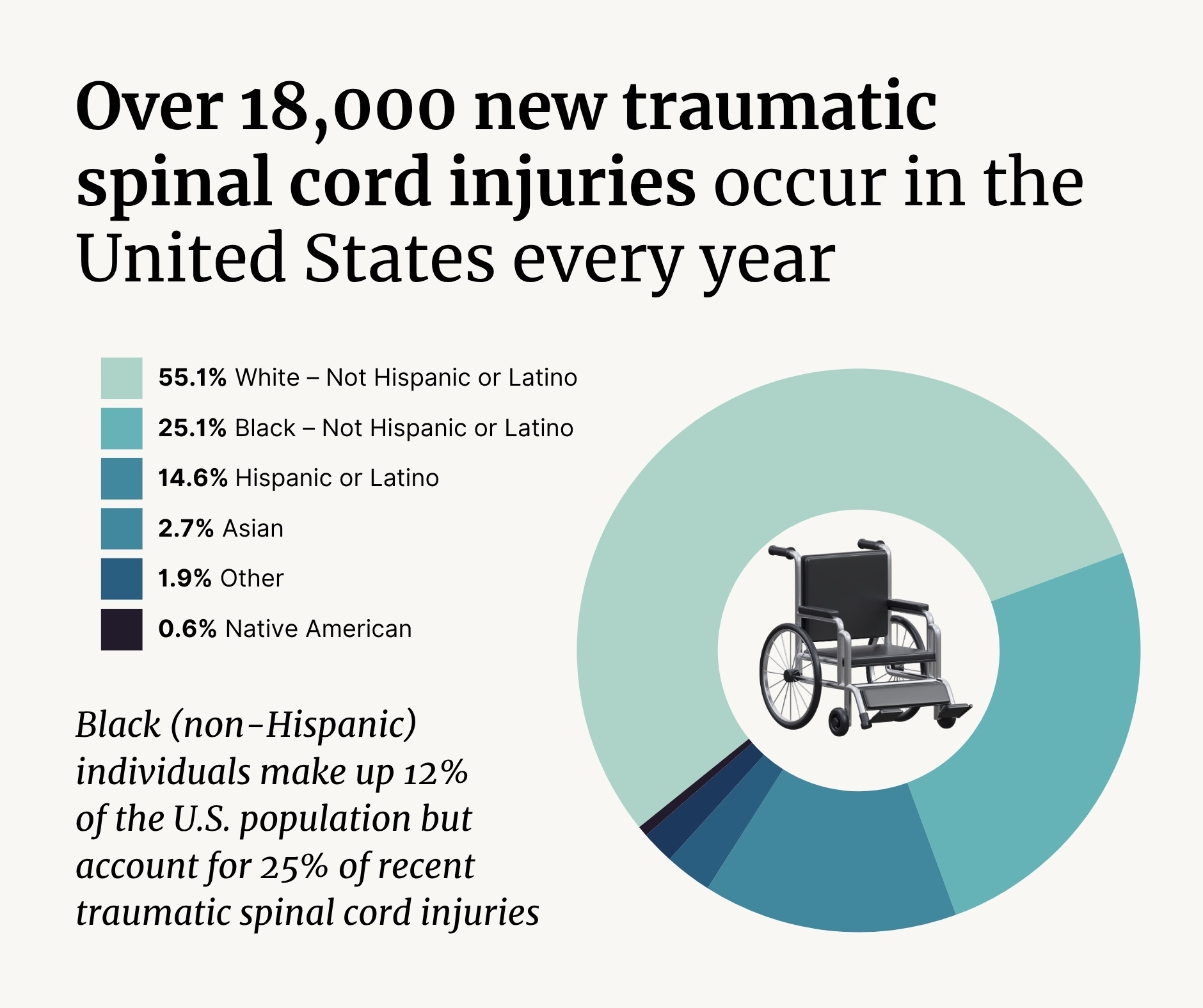
- Race/Ethnicity: Looking at recent statistics on spinal cord injuries shows:
- 55.1% White – Not Hispanic or Latino
- 25.1% Black – Not Hispanic or Latino
- 14.6% Hispanic or Latino
- 2.7% Asian
- 1.9% Other
- 0.6% Native American
It's important to note that while Black – Not Hispanic or Latino individuals make up about 12% of the U.S. population, they account for approximately 25% of recent traumatic spinal cord injuries.
The Leading Causes and Statistics on Spinal Cord Injuries
Understanding the common causes can help highlight where prevention efforts are most needed.
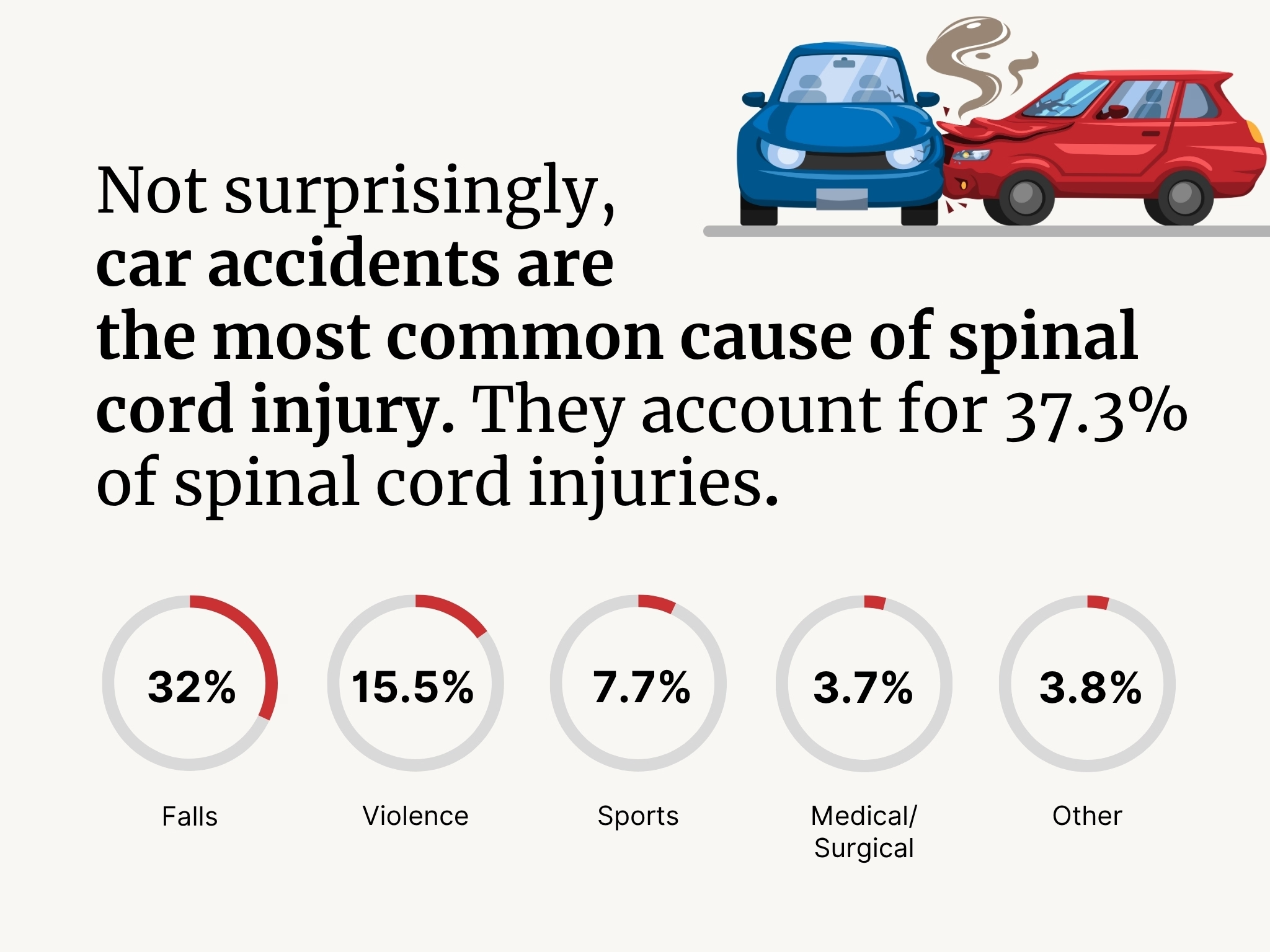
- Leading Causes: Vehicle crashes (like car accidents, truck accidents, and motorcycle accidents) and falls together account for nearly 70% of all recent spinal cord injuries.
- Other Causes: Acts of violence (most often from gunshot wounds) and injuries from sports or recreational activities make up about 23% of cases.
Advocates for Brain Injury Victims and Families
Your Recovery Starts With a Free Consultation

Table of Contents
Your Advocates for Brain Injury Victims Nationwide
Brain injuries are life-changing and often invisible, impacting victims and their families emotionally and financially. That is why traumatic brain injuries are sometimes described as “invisible injuries” and a “silent epidemic."
At the Brain Injury Law Center, we are dedicated to helping victims and their loved ones secure the compensation they deserve.

Client Reviews

Excellent law firm. The staff was courteous and professional. The attorney who handled my case was truly top notch. I strongly recommend The Brain Injury Law Center/Smith Law Center for your personal injury case.
- D. Woodfin
David and his team did a wonderful job representing our family in the wrongful death lawsuit for our son. He and his team worked tirelessly and became like family to us. He represented my son with dignity, respect and made an effort to know him and the person he was and still is. Thank you, David, for all you did for us, for the positive outcome, and for always keeping the family’s best interests at hand.
- D. Monticello
Very pleased with this law firm. Staff is very courteous and professional. I'd like to thank Stuart Gill who did an AMAZING job on my case. If you ever need legal help, LOOK HIM UP!!
- D. Whitley
Your Recovery Starts With a Free Consultation
Advocates for Brain Injury Victims and Families
Your Recovery Starts With a Free Consultation
Living After Spinal Cord Injury: Recovery, Setbacks, and the Long Road Ahead
We’ve seen firsthand how challenging the recovery process can be after a spinal cord injury. Recovery doesn’t end at the hospital doors.
Getting back to some sense of normalcy following a spinal cord injury continues through rehabilitation, re-hospitalizations, and the lifelong adjustments that follow. The spinal injury statistics below offer a clearer picture of just how difficult this road can be:
- Hospital Stays: The average time spent in the hospital's acute care unit has gone down over the years, now averaging about 18.6 days since 2015. Following that, the average stay for rehabilitation care is about 36.3 days.
- Re-hospitalization: About 30% of individuals with a traumatic spinal cord injury are re-hospitalized at least once during any given year after their injury. These re-hospitalizations average about 18 days. Common reasons include issues with the urinary system, skin problems, and respiratory infections.
- Neurological Recovery: Unfortunately, less than 1% of people with a tSCI experience a complete neurological recovery by the time they are discharged from the hospital.
- Employment: Since 2015, about 18% of people with a tSCI are employed one year after their injury. While this number shows the challenges, it's worth noting that the employment rate often increases over time, peaking around 30 years post-injury. This statistic truly reflects the deep physical, emotional, and financial changes these injuries bring.
Long hospital stays. Months of rehabilitation. The real possibility of never returning to work. A loved one left in a coma or vegetative state. If someone else’s negligence caused your spinal cord injury, why should you be the one left carrying the financial weight for the rest of your life?
At the Brain Injury Law Center, we believe in holding the right people accountable. Call us at (757) 244-7000 or fill out our secure online form to speak with a legal team that actually cares about setting you up for a better future.
What Spinal Cord Injury Statistics Tell Us About Lifetime Costs
Beyond the personal impact, spinal cord injuries also come with substantial financial burdens. These costs cover direct medical care and living expenses, and they do not include indirect costs like lost wages or productivity.
Here are the estimated average yearly expenses (in 2025 dollars) and lifetime costs, which vary based on the severity of the injury:
.jpg)
On top of these direct costs, indirect costs like lost wages, benefits, and productivity can average an additional $95,309 per year (in 2025 dollars).
What These Statistics Mean For Injury Claims
When you look at national SCI statistics, it becomes clear that a spinal cord injury is never just a short-term medical event. Insurance adjusters often try to settle claims quickly, offering payouts that might cover initial emergency room bills but fall completely short of long-term needs required for the devastating financial toll spinal cord injuries cause.
Understanding these numbers helps build a realistic legal claim. A proper claim must account for:
- Future Care Needs: Calculations must reflect the massive financial commitments shown in national data. For instance, high tetraplegia costs average $1,446,827 in the first year alone and $251,246 every year after, leading to an estimated lifetime cost of over $6.4 million for a 25-year-old survivor. Even motor functional injuries require an estimated $2,144,693 over a lifetime, covering long-term rehabilitation, prescription medications, adaptive equipment, home modifications, and ongoing physical therapy.
- Lost Income Capacity: Before an injury, about 65% of individuals are employed, but that number drops sharply to just 17.8% at year one post-injury. While employment rates gradually increase over time, reaching 25.6% at year 10 and peaking at 30.3% at year 30, the initial loss of income is severe. Claims must reflect both immediate lost wages and decades of diminished earning potential
- Ongoing Medical Risks: Nearly 29% of individuals with a traumatic spinal cord injury are re-hospitalized at least once during any given year, with an average stay of 18 days. Leading reasons for readmission include diseases of the genitourinary system and skin conditions, along with respiratory, circulatory, digestive, and musculoskeletal issues. These predictable medical hurdles must be factored into any proposed settlement so you are not left paying out of pocket down the road.
Compensation Our Team Pursues After a Spinal Cord Injury
A comprehensive legal claim in a spinal cord case must meticulously calculate both immediate expenses and long-term consequences across two distinct categories:
Economic Damages
These are the direct financial losses resulting from the injury. Beyond immediate emergency care and ICU stays, economic damages include long-term medical care, specialized surgical procedures, lifetime physical and occupational therapy, and home nursing assistance. They also cover necessary life-adapting equipment along with residential modifications and accessible vehicle conversions. Additionally, economic claims account for lost past wages, lost benefits, and long-term loss of earning capacity calculated by vocational and economic experts.
Non-Economic Damages
These address the profound human impact of a permanent injury. Non-economic losses include severe physical pain, chronic nerve pain, and physical impairment. They also cover loss of independence, loss of bodily functions, emotional trauma, depression, and loss of enjoyment of life caused by no longer being able to participate in career, family, or recreational activities. In married cases, claims may also include loss of consortium to compensate for the severe loss of intimacy and companionship.
Why Spinal Cord Injury Cases Demand Specific Legal Representation
A spinal cord injury isn't a typical personal injury case. With catastrophic injuries, the stakes are vastly higher, and the medical details are far more complicated. Insurance companies know that a lifetime of care can cost millions of dollars, so their defense teams will look for any reason to downplay your future medical needs or push for a quick settlement before the full scope of your condition is clear.
Proving what a lifelong injury actually costs takes a very specific kind of evidence. It means working directly with medical specialists, life care planners, and economists to map out every expense you will face.
That is why having the right legal team in your corner matters. At the Brain Injury Law Center, led by nationally recognized trial attorney Stephen M. Smith, catastrophic brain and spine injuries are what we do every single day. We’ve secured over a billion dollars for injury survivors and their families because we know how to present complex medical evidence clearly and fight for the long-term security you need.
The Brain Injury Law Center Is Here for You
At the Brain Injury Law Center, we know these aren’t just SCI statistics; they’re the daily realities of the survivors and families we’ve stood beside for nearly five decades.
That is why we built our entire firm around helping survivors of spinal cord and brain injuries. This isn’t a side practice for us. It’s our purpose. It’s the reason attorneys from across the country turn to us when their clients need experienced help.
We are here to fight for your future and to make sure you have the resources you need to live with dignity, support, and strength.
Call us today at (757) 244-7000 or fill out our secure online form to schedule your free and confidential consultation.
We Are Brain Injury Attorneys
Spinal Injury Statistics FAQs
What Are the Main Health Concerns or Causes of Death for People With Spinal Cord Injuries?
In the first year after a spinal cord injury, respiratory diseases, like pneumonia, are the leading cause of death. For those who survive beyond the first year, respiratory diseases remain a top concern, followed by infections, cancer, and heart-related conditions.
What Are The Most Common Types Of Spinal Cord Injuries In Terms Of How They Affect The Body?
When someone experiences a spinal cord injury, doctors classify it by the level of injury and how much function is lost. Recently, incomplete tetraplegia has become the most frequent type, meaning there's some loss of function in all four limbs, but some feeling or movement remains. Incomplete and complete paraplegia, which affects the lower body, are also very common.
How Does A Spinal Cord Injury Impact A Person's Education Level Over Time?
At the time of injury, about a quarter of people with a traumatic spinal cord injury have a college degree. Interestingly, for those who survive many years after their injury, the percentage of individuals with a college degree actually increases over time.
What Happens To A Person's Marital Status After A Spinal Cord Injury?
Since 2015, the percentage of people who are married has stayed fairly consistent for up to 30 years following their injury. While the number of single individuals slowly decreases over time, the percentage of those who are divorced slowly increases. This highlights the unique stresses and changes that can occur in relationships after such a life-altering event.
Notable Recoveries for TBI Victims
Suffering brain injury is serious and can be life-changing. The attorneys at the Brain Injury Law Center have helped numerous clients with proving their cases successfully.
Here are just a few of our notable recoveries:
Summary: A woman suffered a brain injury in a motorcycle accident caused by a defective tire tube. Both the motorcycle dealer and the tire manufacturer agreed to settle.
Summary: This case involved a man who suffered a mild traumatic brain injury during a fall.
Summary: A jury reached a verdict of more than $10.22 million in a case brought against Werner Transportation on behalf of a woman who suffered a mild traumatic brain injury in a crash. This was believed to be the largest-ever personal injury verdict in Norfolk, VA.
24/7 Case Review At No Cost
If there is potential compensation available that could ease your financial burden and aid in your recovery, you need to seek it.
Contact the Brain Injury Law Center today at (757) 244-7000 or by using the form on this page for a free, no-obligation consultation to discuss your case.
