




.avif)
A head injury during childhood can feel like a moment that passes. A fall, a sports injury, or a car accident happens, a doctor evaluates the child, and life moves forward.
But for some, questions come up much later. A child who once seemed fully recovered begins to struggle in school, or a young adult may notice challenges with focus, memory, or emotional regulation.
So, can a childhood head injury cause problems years later? The answer is yes, and understanding why can help families recognize what’s happening and take the right next steps.
At the Brain Injury Law Center, we help brain injury survivors and their families seek compensation after life-changing injuries. Led by Stephen M. Smith, an internationally recognized brain injury lawyer, our firm has secured substantial results for clients facing long-term challenges. Contact us at (757) 244-7000 for a free case review.
Why Symptoms Don’t Always Show Up Right Away
A child’s brain continues developing for years after an injury. That ongoing process plays a major role in why symptoms may not appear right away.
Several factors explain this delay:
Developmental Demands Increase Over Time
Young children are not expected to manage complex reasoning, long-term planning, or emotional regulation. As expectations increase with age, effects may become more noticeable.
The Brain Compensates Until It Can’t
Children’s brains are highly adaptable. They often reroute functions around injured areas, allowing the child to function well for a period of time. As demands increase, that extra strain can become harder to manage.
Brain Injuries Can Act Like Chronic Conditions
Rather than a one-time event, many pediatric brain injuries lead to ongoing changes in how the brain functions. These changes may affect learning, behavior, and emotional regulation years later.
Long-Term Effects of Brain Damage in Childhood
The effects of childhood brain damage in childhood vary widely depending on the severity of the injury, the area of the brain involved, and the timing of treatment. Some children recover with minimal difficulty. Others experience challenges that become more noticeable as they grow.
Here is an overview of how these effects may present over time:
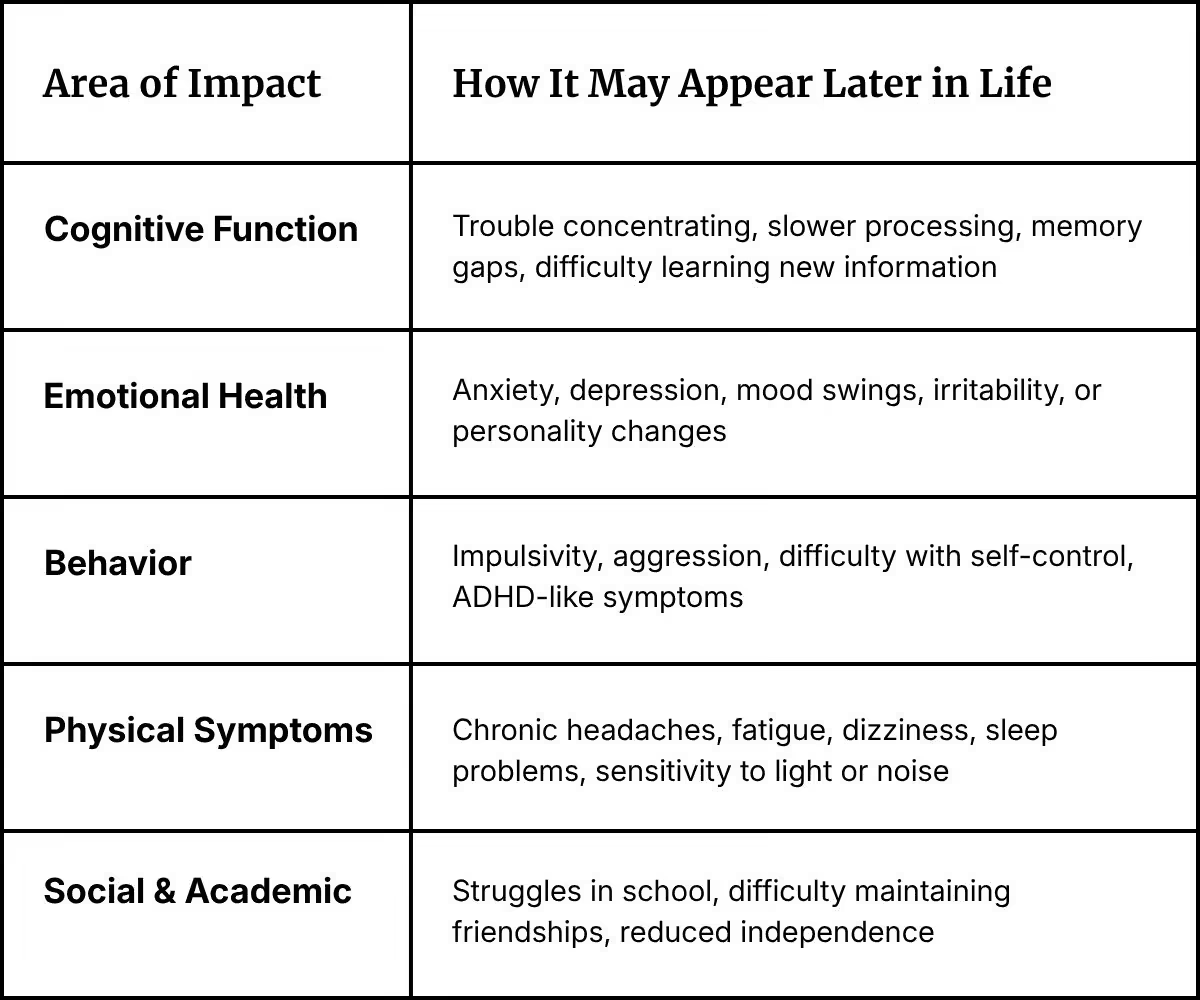
These challenges can affect multiple areas of life at once. A child may begin to fall behind in school, or an adult may find it harder to manage responsibilities that require sustained focus and organization.
When an Undiagnosed Brain Injury from Childhood Surfaces Later
Not every brain injury is diagnosed at the time it happens. Some children are evaluated briefly or receive no medical care at all, and the effects may go unnoticed for years.
Situations where injuries are often missed include:
- Falls where the child appeared fine afterward,
- Car accidents without obvious head trauma,
- Sports injuries that were never evaluated,
- Medical complications during birth or early childhood, or
- Concussions without loss of consciousness.
Years later, the effects may appear as:
- Academic or work struggles that don’t match ability;
- Emotional changes that feel difficult to explain;
- Difficulty organizing, planning, or completing tasks; or
- Persistent fatigue or headaches without a clear cause.
Signs a Past Head Injury May Still Be Affecting You or Your Child
Certain symptoms may point to long-term effects from a childhood head injury.
Look for:
- Declining performance at school or work;
- Difficulty focusing or remembering information;
- Increased frustration, anxiety, or mood swings;
- Trouble with organization or time management;
- Social withdrawal or difficulty maintaining relationships; or
- Ongoing headaches or sleep disturbances.
These symptoms can overlap with other conditions. Still, when they follow a known or suspected head injury, even years later, they should not be ignored.
What to Do If Problems Appear Years Later
If you suspect a childhood head injury is still affecting you—or your child—start with a medical evaluation, even if the injury happened years ago.
- Seek a specialist evaluation. Start with a medical professional specializing in brain injuries, such as a neurologist, neuropsychologist, or physiatrist. A thorough evaluation can help identify whether past trauma is contributing to current cognitive, emotional, or behavioral challenges.
- Clearly report symptoms. Be specific about what’s changed. This may include headaches, memory problems, difficulty concentrating, emotional changes like anxiety or depression, or new struggles at school or work.
- Document the injury history. Write down what you know about the original injury. Include how it happened, whether medical care was provided, and when symptoms began or worsened.
- Explore targeted treatment options. Even years later, treatment can help. Programs focused on post-concussion care or neurocognitive rehabilitation may improve symptoms and support better day-to-day functioning.
- Continue follow-up care. Track symptoms over time. As responsibilities increase—whether in school, work, or daily life—new difficulties may become more noticeable.
If you or someone you love is dealing with a serious brain injury, compensation may be available. Call (757) 244-7000 or contact us online to speak with a brain injury lawyer today.
Can You Still Bring a Claim Years After a Childhood Head Injury?
If a childhood head injury was caused by someone else’s negligence, you may still have legal options, even if years have passed.
This is one of the most common questions people ask. The injury happened a long time ago. Symptoms are showing up now. Is there still time to bring a claim?
The answer often depends on when the effects were discovered and how the law applies to delayed symptoms.
- The timing is not always based on the original injury date. In some situations, the legal timeline may begin when the injury, or its long-term impact, was discovered, not when the accident first occurred. This can be especially important in brain injury cases, where symptoms may not become clear until much later.
- Injuries in childhood may be treated differently. When a brain injury occurs during childhood, the legal rules are often different. In many states, the time to bring a claim may be extended until the injured person reaches adulthood, or longer, depending on the circumstances.
- Delayed symptoms can be part of the case. If problems did not appear until years later, that does not automatically prevent a claim. In fact, delayed cognitive, emotional, or behavioral changes are well recognized in brain injury cases.
Common Situations Where Negligence May Be Involved
Childhood brain injuries frequently occur in situations such as:
- Car accidents caused by negligent drivers;
- Unsafe property conditions that lead to falls;
- Medical errors during pregnancy, birth, or treatment; or
- Sports programs that fail to follow safety protocols.
Brain injury claims often depend on medical records, timelines, and evidence that can become harder to obtain over time. Speaking with a law firm that focuses on brain injury cases can help you understand whether you are still within the time limits to file and what steps are available based on your situation.
What Problems Can a Childhood Head Injury Cause in Adulthood?
For some individuals, the effects of a childhood brain injury do not become clear until adulthood.
Many adults in this position feel they are working harder than others just to keep up.
This can include:
- Difficulty maintaining employment, especially in roles that require focus, multitasking, or organization;
- Challenges with independence, including managing finances, appointments, or daily responsibilities;
- Relationship difficulties tied to emotional regulation, communication, or memory issues;
- Increased risk of mental health conditions such as anxiety, depression, or mood instability; or
- Ongoing neurological symptoms such as fatigue, headaches, or sensory sensitivity.
Without a clear explanation, these challenges are often misunderstood by employers, educators, and even family members, which can have lasting effects on an individual’s career advancement, self-esteem, and relationships.
Why Childhood Brain Injuries Can Affect You Years Later
Medical understanding of childhood brain injuries has changed significantly. These injuries are no longer viewed as events with a clear beginning and end. Instead, they are increasingly understood as conditions that can affect development over time.
This shift in understanding changes how people approach:
- Monitoring symptoms over time, rather than assuming recovery is complete
- Seeking care when new difficulties arise, even years after the injury
- Planning for long-term academic, professional, or daily support
- Evaluating whether a past injury may be connected to current challenge
It also reinforces an important point: even injuries once described as “mild” can have lasting effects, particularly when they occur during key stages of brain development.
What If You Think a Past Head Injury Is Causing Problems Now?
If you or your child experienced a head injury years ago and are now facing new challenges, it is reasonable to ask whether the two are connected, and to wonder, can an old head injury cause problems years later?
Many families and individuals spend years trying to understand changes in learning, behavior, or daily functioning without realizing a past injury may be part of the explanation.
The Brain Injury Law Center has been devoted exclusively to brain injury cases for more than 46 years. This singular focus means our firm works with individuals and families who are dealing with the long-term effects of traumatic brain injuries, not just the immediate aftermath.
Founder Stephen M. Smith has spent decades litigating brain injury cases and consulting with attorneys across the country. His work has contributed to significant verdicts and settlements, including record-setting results in mild traumatic brain injury cases.
Talk to a Brain Injury Lawyer About Long-Term Effects
A childhood head injury can affect development in ways that become more noticeable over time. When those effects begin to interfere with school, work, or daily life, it is important to look more closely at what may be causing those challenges.
If the injury was caused by someone else’s negligence, legal action may help recover compensation for the long-term impact.
The Brain Injury Law Center is dedicated exclusively to representing brain injury survivors and their families. The firm has spent decades helping clients pursue compensation for the medical care, therapy, and support these injuries often require.
Call (757) 244-7000 or message us online for a free, no-obligation consultation.


