




A serious injury usually leaves something doctors can point to: a broken bone on an X-ray, a torn ligament, or swelling on a scan. A mild traumatic brain injury (mTBI) can leave none of those obvious signs. The scans may look normal. The emergency room may send someone home.
More often than not, a survivor walks out of the emergency room with "normal" CT scans and MRIs, only to return home to a life that no longer fits together.
Attorney David Holt saw that reality firsthand when he visited his client’s home in March, nearly nine months after a rear-end collision had changed the man’s life.
The Christmas decorations were still up in the foyer.
Beyond the Hospital: What Happens When a TBI Survivor Returns Home
Before his crash, David’s client was a builder in every sense of the word. He had constructed that very house with his own hands. He was a driven, energetic realtor who could effortlessly work a crowded open house, bouncing from conversation to conversation without missing a beat.
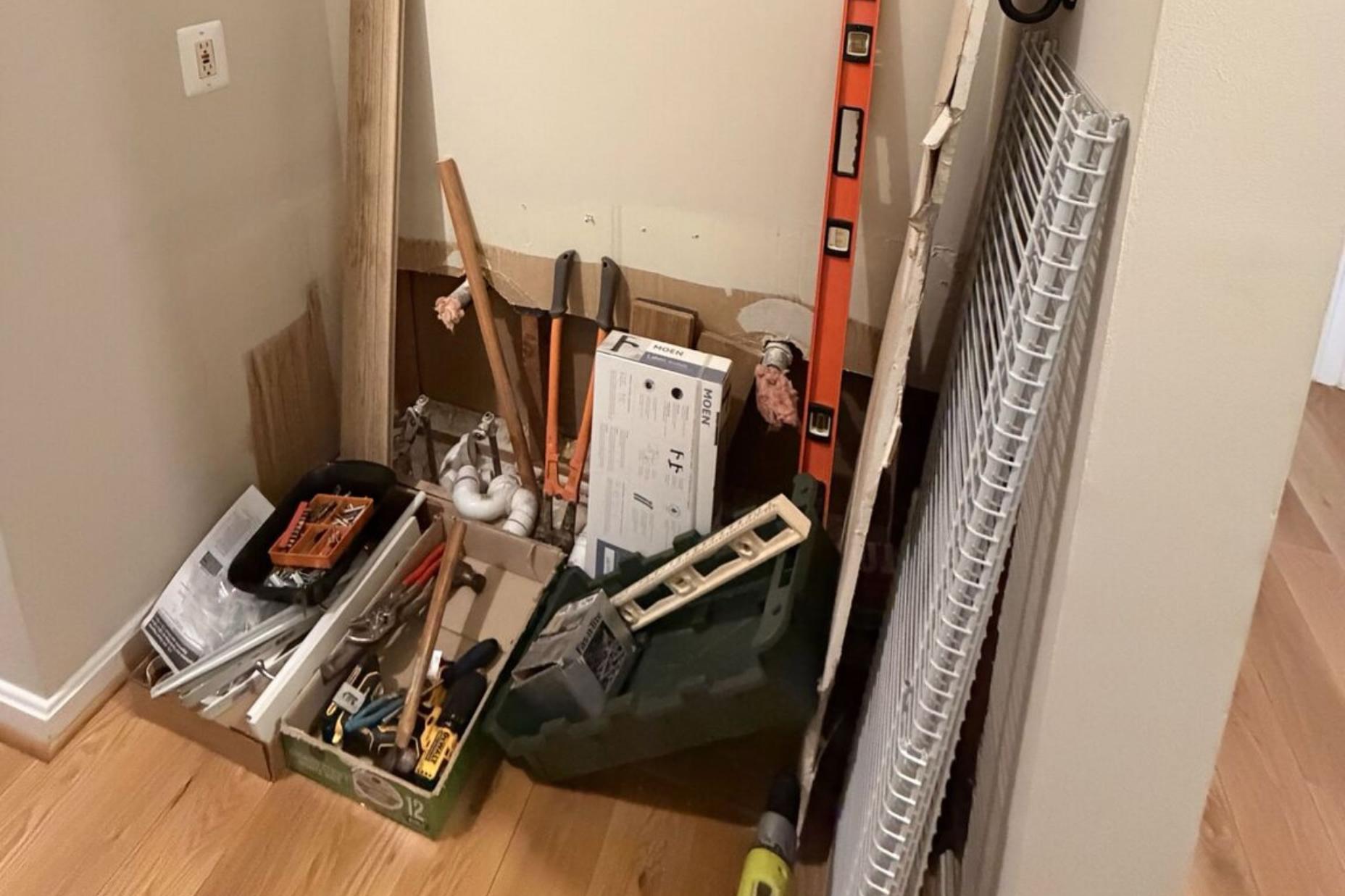
Walking through the front door that March afternoon, David saw a completely different picture. Tools lay scattered across half-finished projects. A bathroom vanity sat partially installed, abandoned mid-task. To an outsider, it might have looked like simple clutter. To David, the disorganization in the house was an unmistakable reflection of what was happening inside his client’s brain.
"I’d never have known that it was there, plain as day, if I hadn’t gone to his home, sat down, and broken bread with his family," David shared. "It’s a practice that comes from my cop days. I like to see it, hear it, smell it, taste it for myself. That’s how you find the truth of what someone is living through.”
When a brain injury disrupts executive function, the mental wiring that allows us to plan, initiate tasks, stay organized, and follow through, everyday tasks suddenly feel foreign.
The person isn't being lazy or careless; their brain is simply struggling to connect step A to step B.
For a firsthand account of the case, read attorney David Holt’s LinkedIn post, where he shares what he discovered during his visit to the client’s home and how those details helped bring the impact of the brain injury into focus at trial.
Why an "Invisible" Injury Shows Up in the People Who Know You Best
In personal injury litigation, defense lawyers and insurance adjusters routinely point to clean imaging as proof that nothing is wrong.
So if a scan cannot capture the damage, how do you show what was lost? You look at the life the person lived before, and you listen to the people who knew them best.
In many ways, proving a severe brain injury resembles a wrongful death case: the person everyone knew before the collision is no longer there in the same way.
To help the jury understand who his client truly was, David and the trial team at Brain Injury Law Center didn't rely on medical jargon alone. They showed a photograph taken before the crash on a mission trip, where his client stood smiling, surrounded by 15 children at a Haitian orphanage.
Then, they let the people closest to him tell the rest of the story:
- His longtime real estate attorney and a friend of more than 30 years described a tireless professional who used to travel internationally to serve others and thrive in high-energy deals. After the crash, his friend had to stop bringing him real estate opportunities because he simply couldn't keep up.
- His mother and two adult children spoke about the quiet shifts at home—the mental exhaustion that forced a once-unstoppable man to shut down by 3:00 or 4:00 in the afternoon and go to bed by 7:00 p.m.
- His wife took the stand last. Plainly and clearly, she told the courtroom what every TBI caregiver knows in their bones: He’s still here. He’s just not the same guy anymore.
Insurance companies bet on the fact that most law firms won’t put in the work to prove an invisible brain injury in front of a jury. At Brain Injury Law Center, we ensure that the jury learns of everything you’ve lost and endured.
If a crash has changed the way you think, work, or live, call (757) 244-7000 or fill out our online form for a free, confidential case review and put a proven courtroom team in your corner.
When a Jury Sees the Whole Person, Accountability Follows
After hearing from the people who lived alongside that daily reality, the jury understood what no hospital scan could ever show. They returned a $17.5 million verdict, not because of a line on a radiology report, but because they saw the real, profound human cost of an injury that altered every corner of a man’s life.
Your Brain Injury Is Real. Brain Injury Law Center Knows That.
Living with an undiagnosed or minimized brain injury can be deeply isolating. When you look fine on the outside, it is easy to feel pressured to push through the fatigue, the brain fog, and the unfinished projects or to wonder if anyone will ever believe how hard everyday life has become.
If you or someone you love has experienced lasting changes after a crash or fall, don't let a normal scan or an incomplete diagnosis convince you that nothing is wrong. Brain Injury Law Center has spent nearly five decades focused exclusively on representing people with brain injuries and their families.
You know what has changed. Your family sees it, too. Now it's time to make sure others take it seriously. Call Brain Injury Law Center at (757) 244-7000 or contact us online for a free consultation.


